
Research
Our group is involved in a range of research projects:
Current Projects
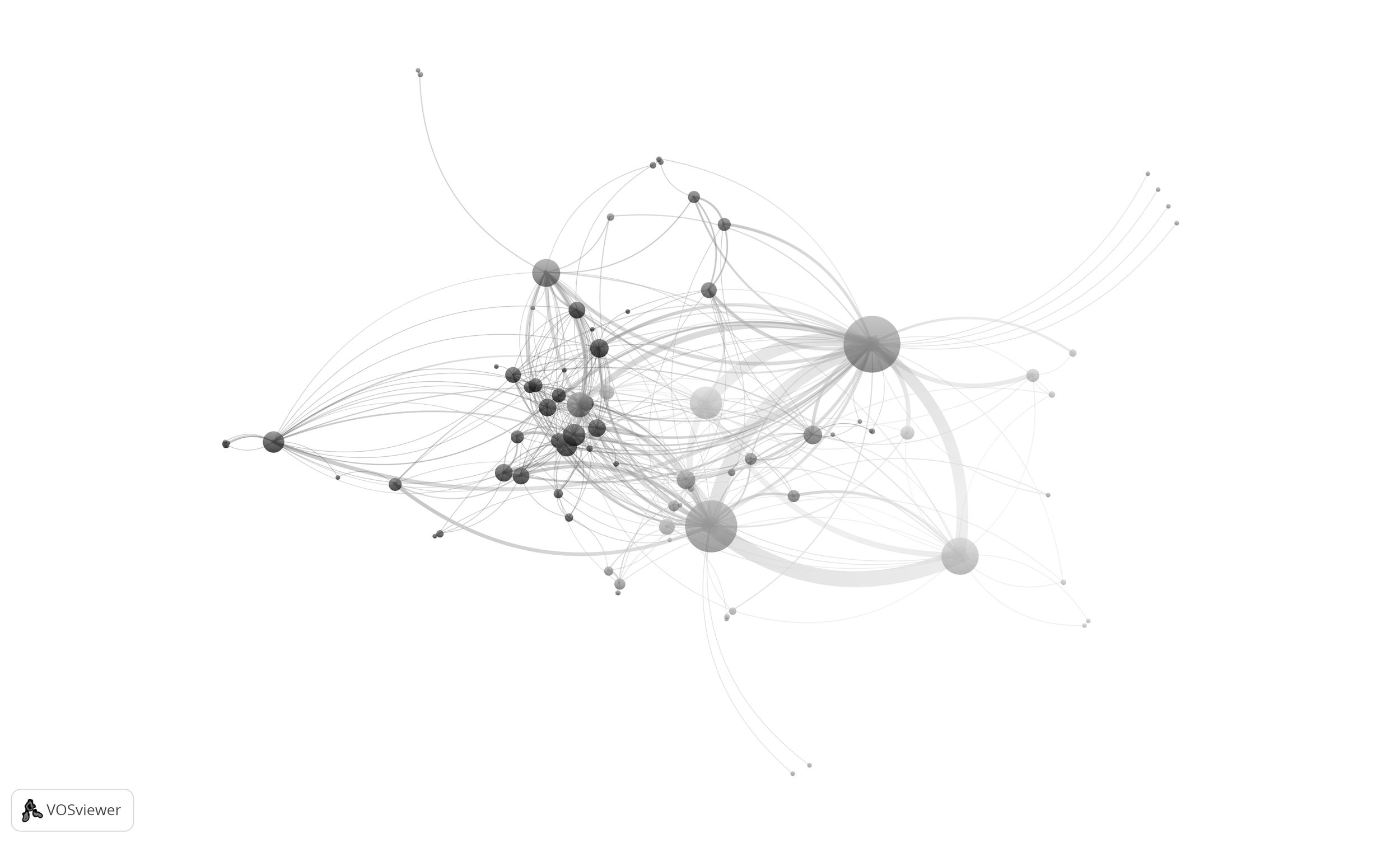
Bibliometric Analysis of Tech Abuse Research
(2026-)
This project examines the research field of tech abuse through a bibliometric analysis. We analyse a range of literature, including that authored by academics, support organisations, governmental agencies, and tech companies to understand the full scope of the field.

Nudges as a Possible Intervention for Reducing Online Misogyny
(2026-)
This study aims to experimentally evaluate the use of textual nudges (messages which appear on-screen to users of online platforms such as social media sites, dating apps or online forums) as an intervention to reduce online misogyny. The study aims to explore whether nudges which use different approaches (such as deterrence, empathy cultivation etc.) may be effective at reducing the likelihood of online users to use misogynistic or sexist language in online spaces.

Chatbots &
AI Safety Agents
(2025-)
This study explores how domestic abuse, IPV and stalking organisations engage with (AI-powered) chatbots — whether adopting, avoiding, or questioning them. The research aims to understand how support services are navigating the ethical, practical, and safety implications of these emerging technologies.

UK Technical Surveillance Countermeasures Services
(2025-)

Police Mapping Study
(2024-)
This project aims to map the different approaches, tools and initiatives used by police forces across England and Wales to tackle technology-facilitated abuse and stalking.

Reimagining Privacy Harm Reporting
(2026-)
When someone reports harm to an online platform, the reporting tools principally focus on whether there has been a policy violation and what enforcement actions should be taken. This often leaves broader needs and the lived experiences of affected individuals unaddressed. This study asks what a broader, person-centred response to online harm could look like, and how platform reporting tools could be redesigned to provide it. To explore this, our study looks to understand the processes of practitioners who already support those affected by online harms, and what that could mean for how platforms design their reporting systems.

Violence, Health and Society (VISION)
(2022-)
In this project, we apply Natural Language Processing techniques to classify real-life experiences of tech abuse documented in support service datasets.

A Study on Tech Abuse Perpetration
(2024-)
How is technology-facilitated domestic abuse perpetrated and what technologies are being weaponised? This study aims to identify patterns and pathways of tech abuse perpetration in order to understand the motives, mindsets, and behaviours of those who carry out this abuse.

Past Projects

A Delphi Study on Tech Abuse
(2022 - 2024)
How do academic, policy, industry, and practice experts define, conceptualize, and measure technology-facilitated abuse?

Parental Control Applications
(2023 - 2024)

Digital Health and Abuse
(2022 - 2024)

RespondXR
(2021 - 2022)
What digital vulnerabilities are likely to emerge from mainstreaming immersive Extended Reality in the training of law enforcement and how might these be overcome?

Detecting Hidden Connected Devices
(2024 - 2025)
What commercial solutions (devices, apps and services) for detecting hidden devices are available to the public in the UK? Are they usable and effective in helping users locate hidden devices and safeguard their spaces?

LGBTQIA+ Peer Surveillance
(2022-2026)
What commercial solutions (devices, apps and services) for detecting hidden devices are available to the public in the UK? Are they usable and effective in helping users locate hidden devices and safeguard their spaces?

Gender and IoT
(2018 - 2020)
How will the Internet of Things (IoT) impact on gender-based domestic violence and abuse and what socio-technical measures will need to be implemented in order to mitigate against those risks?

Violence, Abuse and Mental Health Network
(2018 - 2023)
The VAMHN aims to reduce the prevalence of mental health problems among children, adults, and the elderly, by bringing together experts with different ways of thinking about violence, abuse and mental health.

UK Computer Misuse Act 1990
(2021 - 2022)
How does the UK Computer Misuse Act 1990 apply to cases of technology-enabled domestic violence and abuse?

Subscribe
Sign up to our monthly newsletter to receive news and updates.
We respect your privacy.